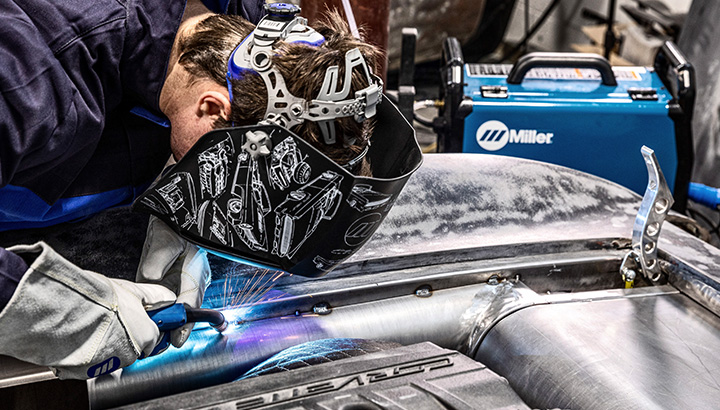
All Concerning Welding: Key Insights Into Techniques and Ideal Practices for Success
Welding includes a range of strategies, each suited for details materials and applications. Recognizing these approaches, such as GMAW, SMAW, and TIG, is crucial for accomplishing suitable results. Moreover, the right equipment and safety techniques can not be ignored. As preparation and troubleshooting play critical duties in the welding procedure, mastering these components can greatly improve the quality of the last product. What are the key aspects that guarantee a successful weld?
Comprehending Different Welding Methods
Welding techniques encompass a range of approaches, each matched to particular applications and materials. Among the most common techniques are Gas Steel Arc Welding (GMAW), Protected Steel Arc Welding (SMAW), and Tungsten Inert Gas Welding (TIG) GMAW, also called MIG welding, is popular for its rate and flexibility, making it optimal for thin materials. SMAW, or stick welding, is preferred for its simplicity and performance in outdoor atmospheres, especially with thicker steels. TIG welding provides precision and control, making it appropriate for complex work and non-ferrous steels (Belgrade Welding). Each method has its distinct advantages and considerations, allowing welders to choose the very best method based upon the job's demands, material kind, and preferred outcomes. Comprehending these methods is necessary for effective welding
Necessary Welding Equipment and Devices
While different welding methods require specific abilities, the appropriate tools and tools are equally crucial for attaining quality outcomes. Vital welding devices includes welding makers, which vary relying on the strategy-- such as MIG, TIG, or stick welding. Safety equipment, including headgears, aprons, and gloves, assurances safety and convenience during the procedure. On top of that, components and clamps aid secure products in position, making certain precision in welds. Consumables like welding rods, cord, and protecting gas are also important components that influence the high quality of the weld. Devices such as mills and cutters assist in surface area prep work and post-weld completing, contributing to a professional result. Buying top notch tools inevitably improves the effectiveness and performance of welding jobs.
Security Practices in Welding
Appropriate safety and security techniques are crucial in the welding sector to shield workers from possible risks. Welders should use proper individual safety equipment (PPE), including helmets with appropriate shading, handwear covers, and flame-resistant garments. Ample ventilation is crucial to lower direct exposure to harmful fumes and gases produced during the welding procedure. Additionally, employees must be educated in the proper handling of welding devices to stop accidents. Fire precaution, such as keeping flammable products far from the welding area and having fire extinguishers conveniently available, are required. Regular evaluations of tools and offices can aid determine potential risks before they lead to crashes. By sticking to these safety and security methods, welders can develop a much safer working atmosphere and reduce risks connected with their profession.
Readying Materials for Welding
Preparing products for welding is a crucial action that greatly affects the top quality and honesty of the last item (Montana Mobile Welding and Repair Belgrade). Appropriate preparation entails cleaning up the surfaces to remove impurities such as oil, corrosion, and dirt, which can jeopardize the weld. Strategies such as grinding, sanding, or using solvents are generally used to accomplish a tidy surface area. Additionally, ensuring that the materials mesh comfortably is important; spaces can bring about weak welds. It's additionally crucial to take into account the placement and positioning of the parts, as this will certainly impact the ease of welding and the last outcome. Picking the appropriate filler product and making certain compatibility with the base metals is necessary for attaining solid, durable welds.
Tips for Achieving High-Quality Welds
Accomplishing high-grade welds requires attention to information and adherence to best practices throughout the welding process. Appropriate joint prep work is necessary, ensuring surfaces are tidy and cost-free from contaminants. Choosing the ideal filler product and welding technique based on the base steels is important for perfect bonding. Keeping constant travel speed and angle while welding can protect against flaws and promote harmony. Additionally, managing warmth input is necessary; too much warmth can lead to bending and weakened joints. If required, consistently evaluating the welds during the procedure allows for immediate changes. Employing proper post-weld therapies, such as cleaning and stress and anxiety relief, can boost the sturdiness and stability of the weld, inevitably guaranteeing an effective end result.
Fixing Typical Welding Issues
Welding typically presents challenges that can affect the top quality and honesty of the last product. Usual concerns such as porosity, inconsistent weld beads, and overheating can emerge, each needing specific fixing methods. Understanding these problems is vital for welders to boost their skills and achieve suitable results.
Porosity Problems Discussed
Porosity can often be forgotten, it continues to check here be a crucial problem in welding that can jeopardize the integrity of an ended up item. Porosity refers to the presence of tiny gas pockets within the weld grain, which can lead and weaken the joint to early failure. This problem commonly emerges from pollutants, dampness, or improper protecting gas protection throughout the welding procedure. To mitigate porosity, welders should validate that the base materials are clean and dry, make use of suitable protecting gases, and keep consistent welding parameters. Consistently examining the devices and setting can likewise assist identify possible concerns before they show up in the weld. Addressing porosity effectively is important for accomplishing strong, long lasting welds that meet top quality requirements.
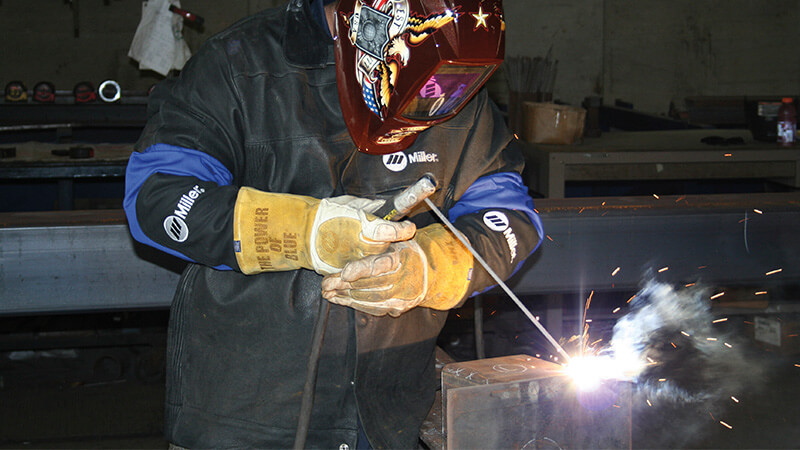
Irregular Weld Beans
Inconsistent weld grains can significantly affect the top quality and strength of a completed product. Different elements add to this issue, consisting of inappropriate traveling rate, inaccurate amperage settings, and inconsistent electrode angles. When the welder moves also swiftly, a bead may show up narrow and lack infiltration, while moving also gradually can create excessive accumulation. Additionally, using the incorrect amperage can result in either damaging or too much spatter, both of which compromise weld integrity. The welder's technique, such as irregular torch movement, can also result in unequal grain look. To alleviate these issues, welders need to focus on preserving constant, regulated motions and making sure correct equipment setups to attain uniformity in their welds. Consistency is crucial to attaining trusted and strong welds.
Overheating and Bending Issues
Too much warmth throughout the welding process can lead to considerable getting too hot and deforming issues, affecting the architectural stability of the work surface. These problems frequently materialize as distortion, which can jeopardize placement and fit-up, making further setting up testing. Elements adding to overheating consist of the option of welding parameters, such as voltage and travel speed, in addition to the kind of product being welded. To mitigate these concerns, welders must maintain consistent travel speed and ideal heat input while checking the work surface temperature level. Furthermore, pre-heating or post-weld warm therapy can assist minimize stress and anxieties triggered by rapid cooling - Montana Mobile Welding and Repair Belgrade Welding. Regular inspection and adherence to finest practices are necessary in protecting against getting too hot and making certain the longevity and integrity of welded structures
Frequently Asked Questions
What Are the Career Opportunities in the Welding Market?
The welding sector offers diverse occupation chances, including positions as welders, engineers, assessors, and instructors. Professionals can operate in manufacturing, construction, aerospace, and automotive fields, gaining from strong demand and competitive wages in various duties.
Just How Can I Enhance My Welding Speed Without Giving Up Quality?
To enhance welding speed without giving up quality, one ought to practice efficient techniques, maintain equipment, optimize settings, and improve hand-eye control. Routine training and looking for feedback can additionally greatly add to achieving much faster, top quality welds.
What Certifications Are Available for Welders?
Numerous qualifications exist for welders, consisting of those from the American Welding Society (AWS), the National Facility for Building Education And Learning and Research Study (NCCER), and different industry-specific organizations. These qualifications enhance employability and demonstrate ability effectiveness.
How Does Welding Impact the Qualities of Metals?
Welding influences the homes of steels by modifying their microstructure, which can result in adjustments in firmness, toughness, and ductility. Heat input and air conditioning rates throughout the procedure greatly impact these product characteristics.
Can I Weld Dissimilar Metals Together?